


This week, I’ve followed TIME Magazine’s cover story interview of Sam Altman and OpenAI, by Alex Heath. The video of the full interview is on Heath’s X, and includes a clip posted to Instagram yesterday by TIME that has been ringing in my ears.
Sam Altman: A few years ago, every community wanted us to come build data centers in their community. It was going to reindustrialize, it was going to bring these jobs, it was like, ‘yes, please do it.’ And then that really changed, and now people don’t. And I have a lot of empathy to why people don’t. The good news is, we have a very big country. There’s a lot of places with not many people around, and land that people don’t have much use for, and we can go put data centers there. So I think we can solve this problem, and I think we should be respectful of what communities want.
Alex Heath: It sounds like you think the general answer is putting the data centers where people are not.
Sam Altman: I think that’s a perfectly good answer… We can kind of put the data centers in a lot of places, and move the results around the world very easily, so we have more flexibility with this.
While I was back in Wisconsin this August, I traveled to Wisconsin Rapids and Port Washington to meet with residents who have formed opposition groups to the data centers being built or planned in their towns. Those two places — each with fewer than twenty thousand residents — are very different parts of Wisconsin. Rapids is an industrial town in the middle of the state, where a substantial percentage of residents are struggling financially. Port is a well-off enclave on the lush coast of Lake Michigan, surrounded by hiking trails and farmland. In both, an overwhelming majority of residents are desperate to stop their data centers. The stakes of one moving in are high and all-consuming. In Port, where Vantage, Oracle, and OpenAI have already broken ground, a neighbor of the new center told me their future had been stolen.
In both cases, it wasn’t public opposition right out of the gate. It began with clarifying questions about how a data center would affect their lives and livelihoods; how much more they’d pay in utility bills, how loud a functioning center would be at all hours, information that would be available had environmental impact reports not been strategically avoided.
They were ignored at best. At worst, they’ve been laughed at, arrested, and threatened.
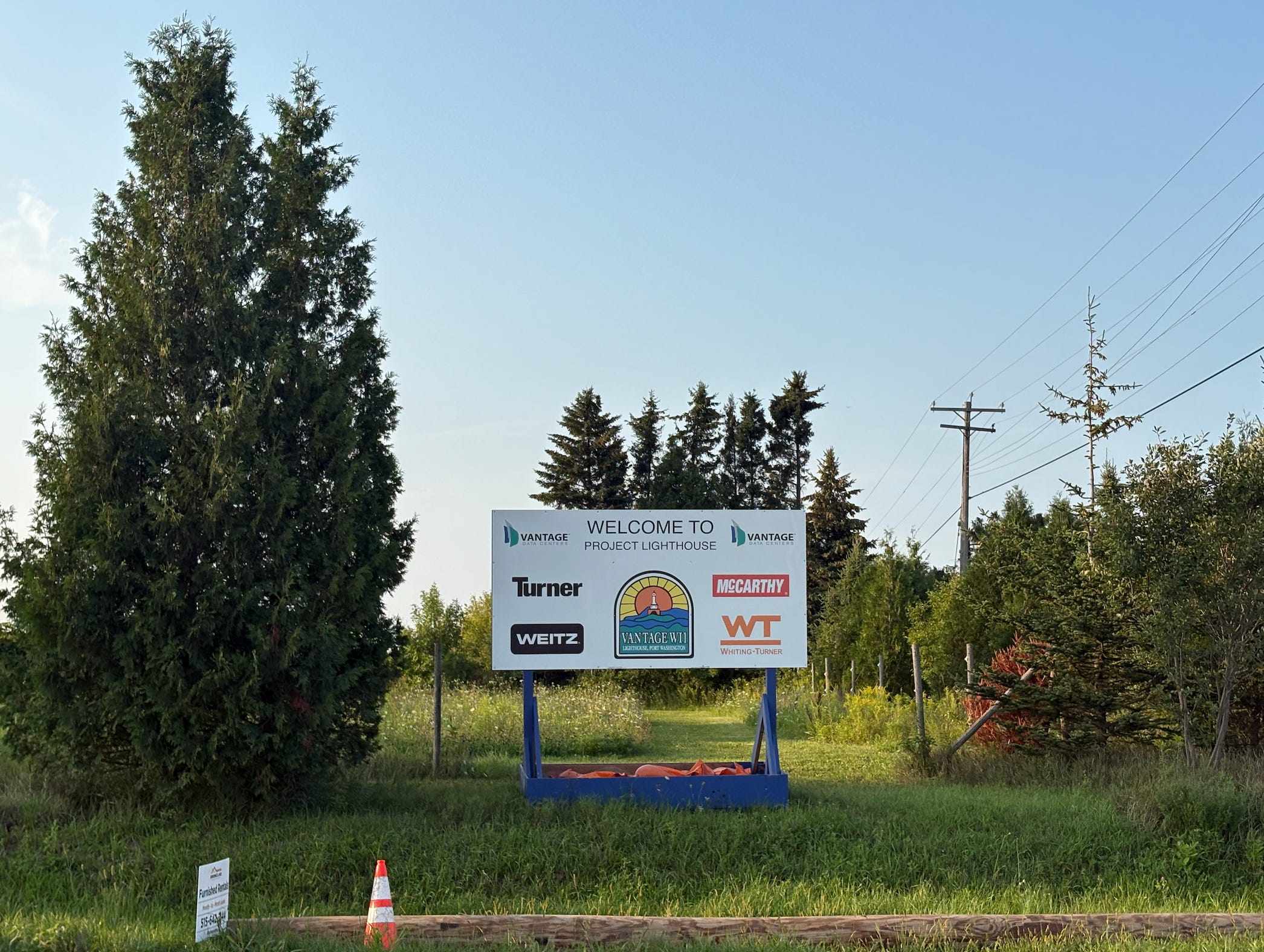
I’d known the facts of what building a data center means to its local environment, economy, and community before I started this project. Meeting the people whose lives, homes, and futures are inextricably linked to these places has removed the abstraction from the fact sheets about data centers. Living next to one seems cruel and impossible.
Altman and OpenAI obviously aren’t a monolith in building data centers, but through a highly visible relationship with President Trump and cover story interviews, he’s become a face of their development. His apparent surprise at the public’s change in attitude about data centers and AI aside — which occurred as the public learned what a data center is and what it does — I’m not surprised his PR strategy is to feign sympathy and promise he only meant to revitalize local communities as a conveniently positive side effect to AI progress. And if that’s not what you want, then fine. He’ll find plenty of land “people don’t have much use for,” in the US or not, to build these centers on.
There’s something in the way he chose to phrase that that sums up this new wave of colonial extractivism from Big Tech. It’s not a place people do live, work, farm, hike, raise families. It’s not an environment that would be forever changed and destroyed by the presence of a data center, with inevitable ripple effects across a region and watershed likely to exacerbate the climate crisis that will affect people, whether they’re next to the center or not. It’s unused land because nobody is currently deriving profit from it.
(It’s also just probably not true. Data centers don’t require thousands of workers, but they do need skilled workers. Tech is famous for building infrastructure in alluring areas to attract top prospects.)
In Wisconsin, broadly and generally and despite the differences in the locales targeted, data centers will hurt the people who live there or the environment the state has protected fiercely throughout its history. The companies fighting to build them promise reinvestment and reinvigoration of the local economies and communities. That’s constantly contradicted by their actions and messaging within these communities. They aren’t hiring locally for the few jobs a functioning data center would bring — in some cases, they aren’t even hiring construction workers locally. “Closed-loop” systems that are posited as water-efficient, renewable methods for running data centers, are more of a PR buzzword than a peer-reviewed renewable alternative. Meta’s data center in Cheyenne, Wyoming, that used a closed-loop cooling system, circulated contaminated wastewater back into the city’s water supply after the fill and flush process. The data center contaminated Cheyenne’s water with a mystery bacteria.
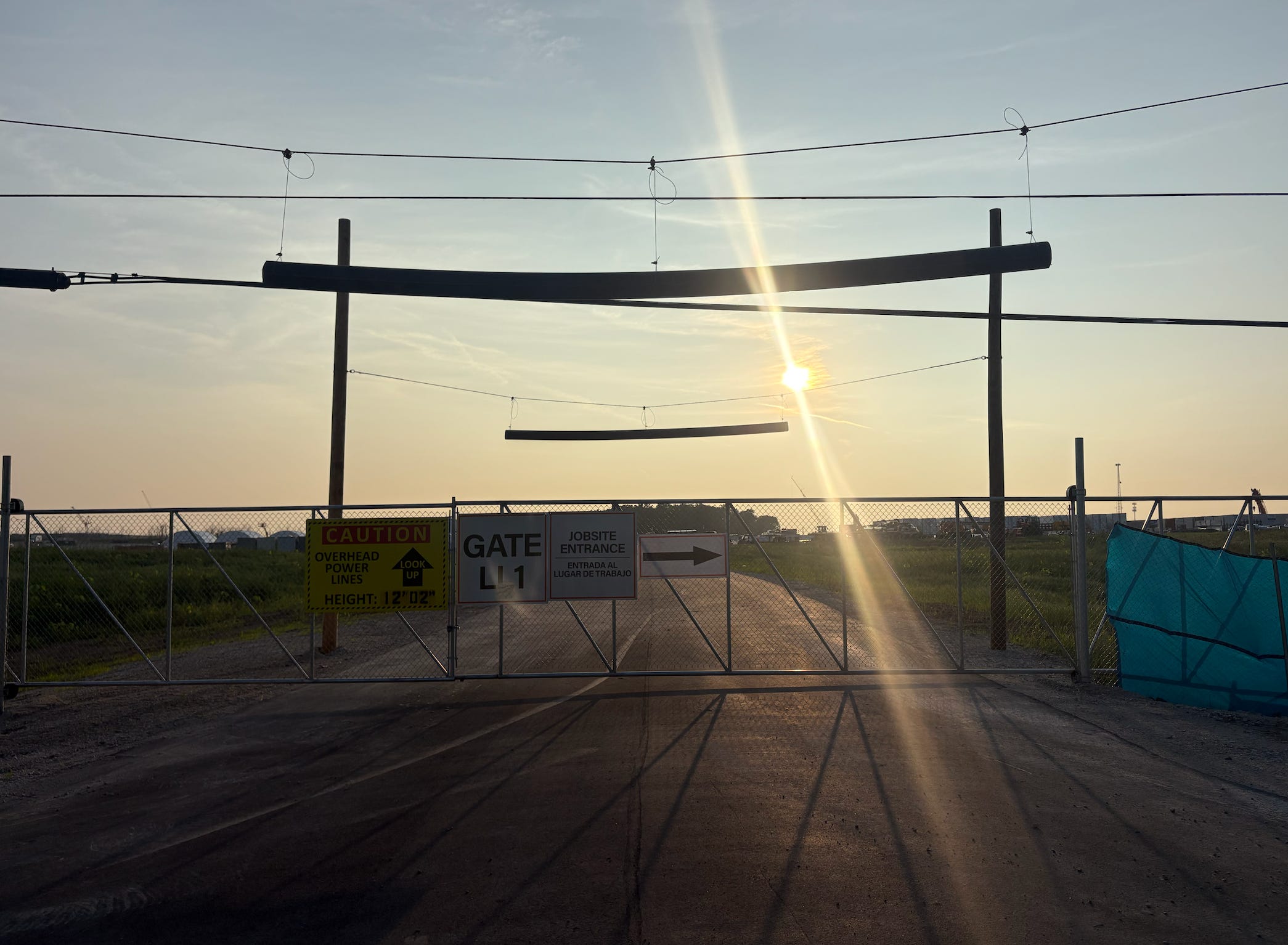
Even before President Trump signed the Stargate Project into law on the second day back in office — with Sam Altman standing over his shoulder — there has been a pattern of local, state, and federal governments tearing down red tape to clear the way for data centers to be built before regulation could keep up. Any concerns about labor, the environment, or the safety of local residents can’t be answered, because the work required to find out has been intentionally avoided. We know they are not comparable, in terms of energy or water use, to previous industrialization; we know that they are using resources on an unprecedented scale. We just don’t know what that will mean down the road.
As I’ve mentioned throughout these pieces, I’ve spent a good deal of my life in Wisconsin. Both sides of my family have roots there, and it’s a place for which I have a deep love, respect, and gratitude. That doesn’t make me hope that data centers are built out of sight and out of mind, away from the place I personally care about. Seeing this happen to a place I love has made it even harder to accept that somewhere else has to bear the consequences of AI infrastructure.
In Wisconsin, opposition to data centers began with questions. Before we decide where to put them, or if we should build them at all, those questions need to be answered.