



There is a Big Tech arms race afoot, and one of the casualties of its unfettered speed is the credibility of media itself: not only the current news we consume, but centuries of historical media as well. We take for granted a shared belief in certain essential historical facts. But much of that belief is based on the documentary evidence that has been woven into the fabric of our understanding. Every day, 34 million AI-generated images enter the public sphere - blurring the line between truth and fiction. Ensuring that documentary and historical media remain credible, verifiable, and accessible going forward will require a significant investment of time and resources in its protection.
The Trump administration has taken a hard line against any kind of AI regulation while simultaneously sowing seeds of doubt in authentic media whose message he dislikes. Objecting to a Panorama documentary made by the BBC, he recently accused the network of using AI to doctor his January 6 speech– saying they literally put the words in his mouth. The BBC has vehemently denied the claims, but the damage stands. In an attempt to deliver a one-two punch to the broadcaster, he is also suing them for $10 billion–sending a clear message to the media writ large. Earlier this month, he said on Truth Social that American media outlets were knowingly spreading Iran’s AI fabrications about the war. He used this accusation as the premise for his suggestion that news outlets should be charged with treason; and Brendan Carr threatened to revoke their FCC licenses. Yet, the White House has been simultaneously spreading AI-generated imagery, including a doctored photo of a protestor in Minnesota. This coordinated effort of money, deceit, and discrediting is undermining public trust in media in ways that may be irreversible if we don’t act soon.
In the past year, technology companies have invested a staggering $320 Billion to increase the speed and scope of AI development. When synthetic generation of media outpaces that of human-made media, it creates public uncertainty about the accuracy of information. As a result, the truth becomes easily hijacked by those with the most power. What we are witnessing is not simply the sowing of misinformation—it is the strategic erosion of shared reality. When leaders can both distort the truth and discredit those who report it, the very concept of evidence begins to unravel.
This is not just shaping our shared future, but also our past. Our cultural legacy– the photos and footage and audio recordings that have grounded our understanding of our history and ourselves– is at tremendous risk. Though they have received little attention in the public discourse, archives – far from the dusty, passive repositories they are often thought to be – are an essential defense against this collapse.
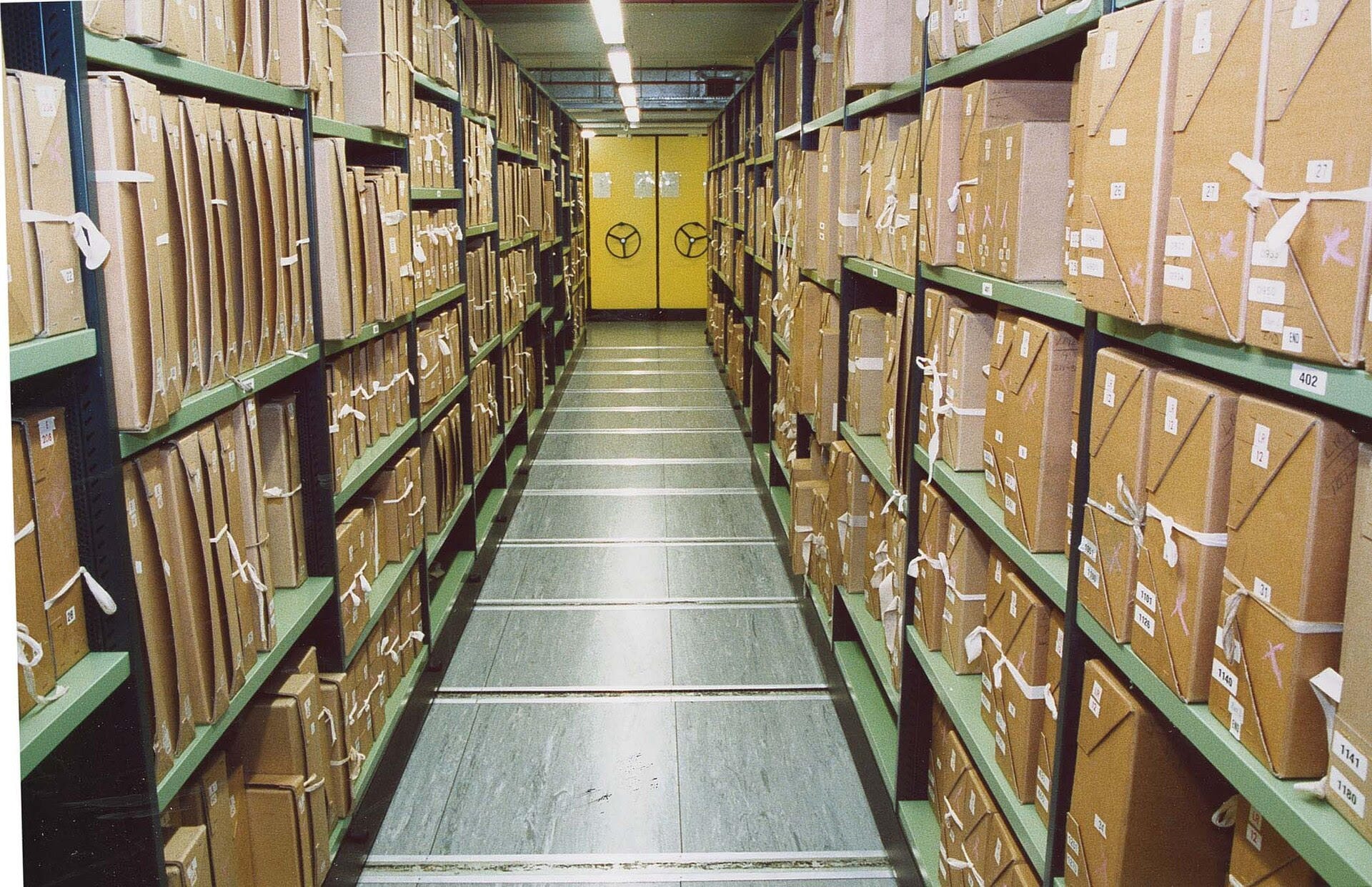
But these memory institutions – long the custodians of our shared history– are facing mounting risks. They are finding that supposedly authentic media being submitted to them is sometimes synthetic; even seasoned archivists can’t always discern what is real. And just as concerning– people are now questioning the veracity of the Archive’s authentic historical materials as well. Access to history– and a shared understanding of our history –are essential to safeguarding truth and maintaining a thriving democracy.
The Archives that have long been the trusted guardians of that history are wildly under-resourced and cannot single-handedly take on this looming threat. Additionally, the Trump administration has taken steps to defund the Institute of Museum and Library Services (IMLS), which supported these essential institutions, while attacking some of America’s critical historical repositories, including the Smithsonian, and the National Archives.
What is needed now is not just awareness, but infrastructure and field-building. Every community must respond in its own way to the dual threats of increased media censorship and the influx of fake and synthetic media. But audiovisual archives are perpetually underfunded and underresourced and cannot do it alone. To that end, we at the Archival Producers Alliance co-founded the Trust in Archives Initiative (TAI) a broad coalition of archives and archival organizations sharing resources, and developing much-needed practical tools to offer to the wider field. We have begun to publish authenticity and provenance standards, transparency protocols, and new taxonomies to safeguard the audiovisual record that journalists, filmmakers, educators, and communities rely on to tell accurate, accountable stories.
The evidentiary foundation of civic life is at a critical inflection point. We can continue to allow big tech and political opportunists to write the rules around media integrity, or we can choose to strengthen the institutions that protect our historical reservoirs. We can put money and time into media education and literacy efforts to help the public to understand what they’re seeing and what the influx of new images means. We can support the initiatives – like Trust in Archives and similar efforts– that are working to create their own standards and guardrails for media. And we can listen to the people who have dedicated their careers to the protection of human-made media and history. They are the ones with the knowledge and skills to create guidance, and set standards around transparency, AI labeling, provenance assertions, and preservation of digital assets.
Our government and our society have allowed Big Tech’s drive for profit to control the pace of AI development and bypass the people with the professional knowledge and training to navigate the changes ethically. It’s time to shift gears. To do so will require a philanthropic investment that matches the scale of technological disruption. Pledges like the consortial Humanity AI are a great start - but they need to act immediately and support those who are already doing the work. Tech solutions, such as C2PA (Coalition for Content Provenance and Authenticity), need to work closely with libraries and archives – as they are doing in one effort with the Library of Congress – to ensure their tools don’t put undue burden on already strained organizations. Additionally, federal policymakers must heed the alarm of those who safeguard our shared history and truth and empower them to develop guardrails and standards that ensure the foundation of our democracy remains intact, even if it does not always align with business interests in the short term.
If we fail to act, we risk not only spreading disinformation - but the loss of trust in the record itself.
Rachel Antell & Stephanie Jenkins are archival producers with decades of experience in the documentary field. Together, they co-founded the Archival Producers Alliance, whose mission is to promote the value, use and protection of authentic audiovisual materials. In 2024 they published the first industry-wide guidelines for the use of Generative AI in documentary media, endorsed by over 100 organizations and professionals. They are now working to preserve the authenticity of media collections-- and the public’s trust in them-- through their Trust in Archives Initiative.


Absolutely a critical element in this AI deluge. It’s all LLMs trained on the entirety of the internet for knowledge. That was all human knowledge and output for the better part of its history until now. AI slop content will outsize actual knowledge content and what will future models train on then, let alone our own kids read with their eyes.