


A quick note: the Hard Reset Awards, for companies and individuals who are using technology to make the world better remains open for public voting through Dec. 9. We’ll announce the winners after that.
It may seem like eons ago, but do you remember Facebook’s disastrous metaverse rollout, as part of the company’s efforts to move beyond social media after years of bad press?
This was in post-pandemic wilderness of late 2021 and the company, which had recently renamed itself Meta as part of this rebrand, was casting about for The Next Big Thing after growth in social had slowed.
What executives came up with was this:
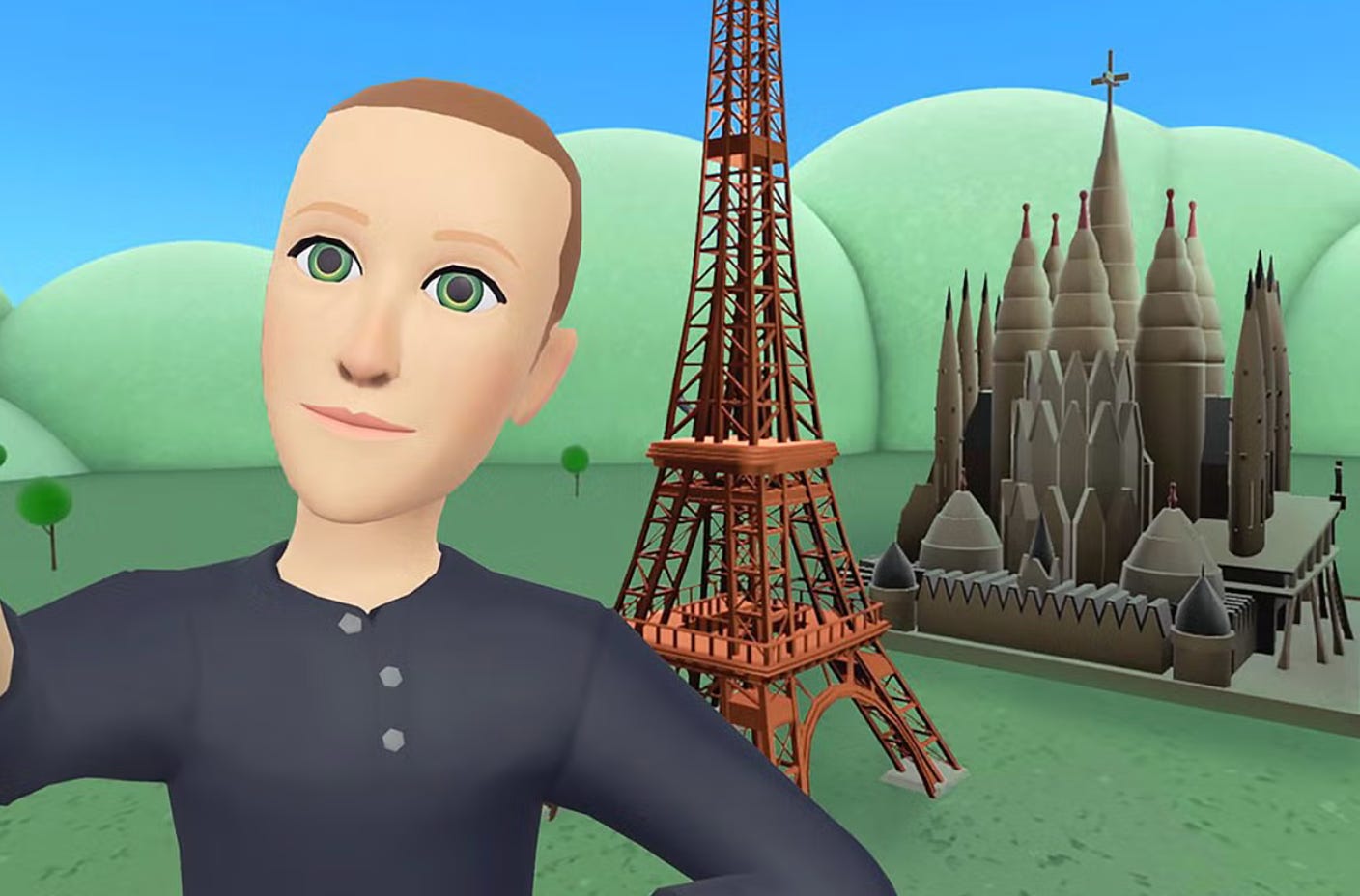
To many, it looked like a recast of digital experiences … from the 1990s, a mash-up that was part clip art and OG program Second Life. Meta was pitching the metaverse as the future of the internet — the next thing that could get users hooked on their screens and devices, so that attention could be monetized and sold to advertisers, and allow this already giant company to keep growing.
It almost seems so quaint, to think that this pseudo-utopian video game come to life represented where some people thought the internet might be headed. Instead, we’ve been given programs designed to replace the entirety of human labor and endeavor — whose work is increasingly hard to distinguish from real humans in the ravaged intellectual ecosystem online. Take me back to the metaverse!
According to a report in Bloomberg Thursday, the company is planning to take a big slice out of its metaverse teams next year: budget cuts as high as 30 percent across units that include Meta Horizon Worlds and Quest VR. This likely means more layoffs in January, according to the report.
Meta’s vision for the metaverse has not taken off despite Zuckerberg’s conviction, which he still has, that people will one day work and play in virtual worlds. In 2021, as Facebook was facing fallout for user safety and privacy issues, Zuckerberg rebranded the whole company around the idea of the metaverse and started spending heavily on the vision.
The program appeared to be a money sink. Meta’s Reality Labs division, where the metaverse org was situated, has lost more than $70 billion since the start of 2021, Bloomberg reported.
Now, savings the company finds from the looming cuts will be funneled toward other projects like AI glasses and other wearables, the report says. Obviously nobody needs another sign to tell the way the wind is blowing in the tech industry of course. A hurricane, really.
I always felt like the metaverse thing was a reminder of something a lot of us realize when we get to a certain age: that everybody, from Fortune 500 companies, to the White House, to the other leaders, icons and establishments that seem to hold up society, are winging it most days. The AI boom is bigger, more established, and more entrenched already than the metaverse build out. The products appear to be more seamless, more functional. But what happened with the metaverse feels instructive for where we are at now too: as a sign of how arbitrary it all is and how the direction of the industry can be shaped by the ideas of the very few people who are in the room. Whether they are good ones, or not.
What else we’re reading:
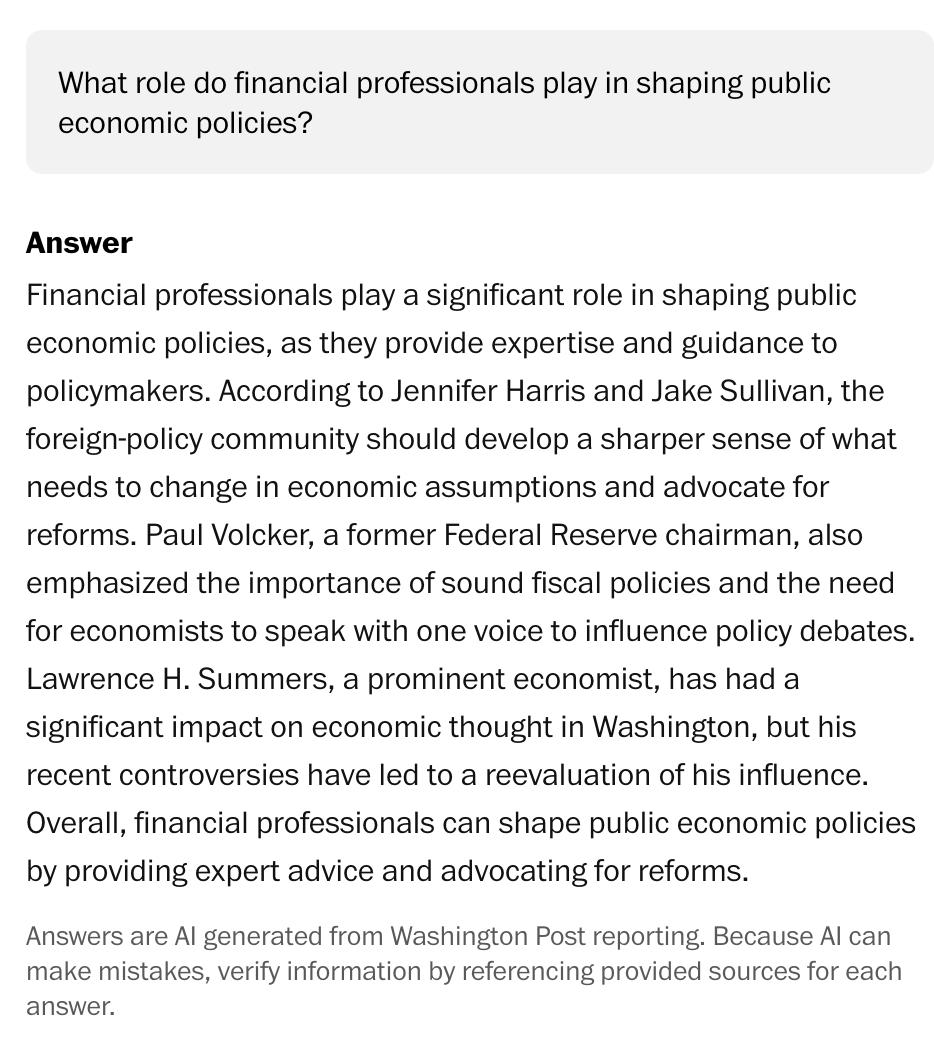
More coverage of the poverty line debate kicked off by the viral essay we linked last week, here in The Washington Post. Sidenote: the answers generated alongside the article by the Post’s splashy new AI feature are, to put it nicely, a total joke. Crazy how sloppiness and incoherence are now acceptable in some of our biggest public platforms.
The initial news coverage of Trump’s pardon of former Honduran president Juan Orlando Hernández for a massive drug trafficking conviction seemed to miss critical context, with some failing to explain at all why he would make a move that was so seemingly at odds with his anti-drug fervor in the region. One of the answers? Follow the tech bros, according to Mother Jones, who want the former right wing leader’s help saving Próspera, a libertarian economic zone founded in Honduras by a cadre of American tech titans like Peter Thiel and Marc Andreessen that has been criticized by the country’s leftist leadership.
Remember our interview with Faiz Shakir from More Perfect Union from earlier this year? The More Perfect Union YouTube channel is now the 5th fastest growing news/politics channel on YouTube — and one of just a few with a left-leaning bent.
“Wake up to what is going on in this country,” Gavin Newsom said during a fiery rant at a NYT conference this week. “It is code red. And I’m sure a lot of you are fine with it. Because a lot of people figured it out, they know the game. State capitalism. Crony capitalism. The great grift.”
Today in truly WTF, is the news that CNN will join with with sports and news
gamblingfuture trading site Kalshi, which lets peopleplace betsmake investments on the outcome of political and public events, for some sort of partnership based around data sharing. What could go wrong?Reviews of Olivia Nuzzi’s book are out and they are uniformly scathing. Slate, New York Times, Washington Post, the list goes on…Fun reads, for those enjoy the thrill of a good critical takedown.
“Tech giants such as Amazon, Google and Microsoft operate 522 data centers and have an additional 411 data centers in development, according to Synergy Research Group.” (WSJ)
Sergey Brin, who’s personal wealth is up over $50 billion this year, was photographed at the Trump Christmas party in DC yesterday.
Former Amazon software engineer published an opinion piece in The Hill today about what it’s like working in Amazon right now, where management is using AI to justify cutting staff costs.
“A majority (59%) see AI as a threat to their job prospects — significantly more than immigration (31%) or outsourcing of jobs to other countries (48%).” - From a national poll conducted by the Institute of Politics at Harvard Kennedy School
See you all next week!
I guess tech CEOs aren't always right. Whodathunkit?
"lost more than $70 billion since the start of 2021, Bloomberg reported", nice job Zuck. Zero accountability must be fun!