


This week, Google co-founder Sergey Brin donated $1 million to San Jose Mayor Matt Mahan’s campaign for California Governor. Leading the Future, a political action committee backed by executives at OpenAI and Palantir and VC firm Andreessen Horowitz, has already raised more than $100 million to go toward political candidates and policies against AI regulation in upcoming elections. Meta has announced plans to spend $65 million on pro-AI politicians.
The scale of funding may be growing, but this trend is nothing new: Big Tech has been putting its thumb on the scales of elections for years now with big bags of money and massive lobbying efforts across the country. The tech industry giants have made clear that they have a particular vision for the future of America, one that includes AI and their technologies everywhere. Rather than allowing elections and policy-making to play out amongst the legislative experts and the public on a fair playing field, tech is stepping in to declare that they know what’s best.
But when the large-scale, societal effects of AI adoption come to light—as they are now threatening to do based on the recent Citrini Research report and other analyses—Big Tech’s leadership is suddenly nowhere to be found. Huge swaths of industries are going dark from AI, millions of Americans will apparently lose their jobs and livelihoods, and the economy is teetering on the edge of a terrifying cliff. Yet the industry that foresaw and directly caused these critical issues has no real solutions to offer us—and, maybe even more notably, no funding for finding them.
Goldman Sachs economists say that AI was responsible for 5,000 to 10,000 monthly job losses last year, and that number is only increasing. The Citrini Research report projects that AI will send the unemployment rate all the way to 10%, a range last seen during the 2008 financial crisis. And in some ways, this is working as intended for tech companies deeply invested in AI. Dario Amodei, the CEO of Anthropic, predicted that AI will disrupt 50% of white collar jobs in the next five years. Sam Altman, CEO of OpenAI, warned that entire classes of jobs would go away in the AI revolution. Elon Musk, CEO of X and prolific poster, went so far as to predict that most human skills will become obsolete with AI. And yet the money continues to flow into AI development at a breath-taking rate. AI companies continue to lobby politicians to let them grow in whichever direction they want—mainly up and to the right. Google and Meta executives have even criticized European legislators for holding back innovation with AI regulation. Let the industry cook, industry executives say. Stop getting in the way with governance.
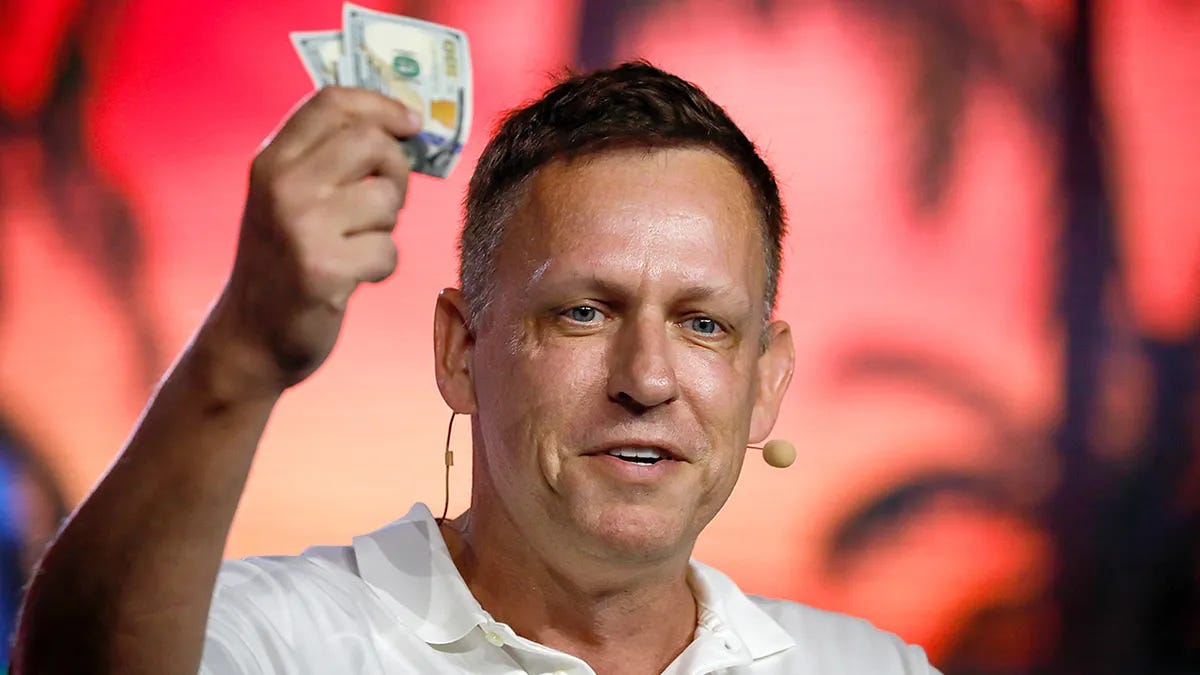
But what does the industry have to say to the millions of Americans who are scared and jobless—and even to the millions of investors who are concerned about a massive market correction? Very, very little. Reskilling programs are few and far between and the ones with the greatest investment—like Amazon’s—are intended to hold onto their own underpaid and exploited workforce. Universal Basic Income as a concept has been floating around Silicon Valley for decades. Businessman and VC advisor Andrew Yang ran a presidential campaign on the idea. In the past, executives from Twitter and Facebook spent money on UBI pilot programs. Even Sam Altman ran an experiment in 2016 by giving $1,000 a month to a group of low-income people over the course of 3 years. But the industry has changed its tune on UBI’s potential for solving the crises that AI creates—perhaps in part because those previous experiments fell far short. On a recent podcast episode, Altman said he thought that instead of money, individuals could receive “an ownership share in whatever the AI creates.” The details on this plan were fuzzy, and he followed up with no actual commitment. Marc Andreessen has said that work is too important to human dignity for UBI to work—plus, it likely won’t be necessary because the government will subsidize most industries. Look who’s interested in governance now.
It may seem strange that these companies and executives have millions to push politicians to follow their “visionary” lead on regulation (basically deregulating everything), but somehow no money or answers when it comes to handling the unfettered AI expansionism resulting from the policies and elections they bought. But that contrast simply lays bare the truth of the industry’s true motivations: to make as much money as possible today with little concern for tomorrow’s repercussions.
It’s clear that as consumers and voters, we should open our eyes to the lies told to us by Big Tech. Nothing is inevitable, and no technology is worth the gutting of our social and economic structures for short-term shareholder enrichment. The industry’s push to block regulation is not about protecting innovation or ensuring a safe and advanced future for any of us. It’s greed, pure and simple.
There’s one clear answer to that: We must vote out any politician bankrolled by tech corporations and billionaires. They answer to their donors, not to you. Any endorsement by the likes of Elon Musk or Gary Tan should be a massive, massive red flag, whether it’s at the local, state, or national level. And for the tech industry, we must demand they help solve these problems (I’d argue by first and foremost paying their fair share in taxes), and work substantively to prevent future ones (if the net impact of a technology is to murder civilians or thrust millions into poverty, maybe don’t build it?). At the bare minimum, the industry should not be able to hand-pick politicians, buy elections, and then throw their hands up when the policies they paid for leave a massive mess for all of us to clean up.

Thanks for spotlighting this.
Palantir's Peter Thiel: "Competition is for losers":
youtube.com/watch?v=4jniPAD2uoo