


When a new wave of tech wealth descends on the Bay Area later this year, two things are likely to happen.
When OpenAI and Anthropic go public, a few thousand residents will become multimillionaires overnight. They’ll look to spend it in San Francisco. Their first big purchases will be real estate.
Vulnerable and working-class residents, already struggling with exponential increases in rent this decade, will find themselves repeatedly outbid, or evicted if landlords can justify it, to open supply for a sudden higher-paying demand.
We know this because it has happened before. The last time the Bay saw this kind of IPO (Initial Public Offering) fever was Twitter and Facebook’s class, and the resulting spike in prices and evictions triggered protests. The Anti-Eviction Mapping Project has tracked nearly 6,000 Ellis Act evictions alone since the start of the first dot-com boom in the mid 1990s. Housing prices climbed steadily alongside evictions.
San Francisco, home to the Anthropic global headquarters in the SoMa neighborhood and OpenAI in Mission Bay, is the epicenter of a human-history defining technology. AI has already nestled into San Francisco culture; a ten-minute drive in any direction will pass billboards advertising new products and companies, and updates from the tech world are casual conversation.
As the world’s largest AI companies announce their plans to go public, San Francisco and its residents will be the first to find out what a culture and economy defined by AI investment looks like. They won’t be the last.
This month’s announcements from Anthropic and OpenAI suggest the companies are planning their IPOs later this year; SpaceX is set to go public on Friday. Both companies have said they are nearing valuations of $1 trillion — OpenAI estimated a post-money valuation of $852 billion in March, and Anthropic estimated $965 billion in May. SpaceX will debut with an unbelievable valuation of $1.77 trillion, with the potential to give 4,400 current and former employees millionaire status. The SF Standard estimates Anthropic to have more than 1,300 local employees; while OpenAI’s local headcount was about 2,000 in 2025. Their transition to public companies is expected to be a landmark moment for AI investing.
When their companies become public, those who own pre-IPO stock will see its value explode. If thousands of newly-minted tech magnates rush to outbid each other for San Francisco’s housing and rentals—as they have in past tech booms—the hundreds of thousands of other residents will see an already volatile and competitive market become even more exclusive and impossible.
This has already begun. Business Insider reported that San Francisco’s housing market, already the most expensive in the country, has seen values rise faster than any other major city in the past year.
Moreso, much of that new wealth will not be taxed. IPO millionaires simply borrow against the value of their stock to buy property, cars, or more stock, and even if they do sell stock eventually, it’s taxed as capital gains, not income—which means a much lower tax level.
When the IPOs do happen, most of the wealth influx will not be local, but its most concentrated effects will be. As the Standard reports: “The bulk of the money from these public offerings won’t go to the local workers — it’ll be redistributed to investors around the world. But ripple effects of the payouts to equity-holding staff and executives will be felt in the city where thousands of AI employees work and live.”
Tenants rights attorney and former Supervisor Dean Preston — the only Democratic Socialist on the San Francisco Board of Supervisors at the time — says rental rates in San Francisco have already seen a 30% increase in the last couple years as AI companies established themselves locally, and with their IPOs, the increase will sharpen, and accentuate the working-class housing crisis.
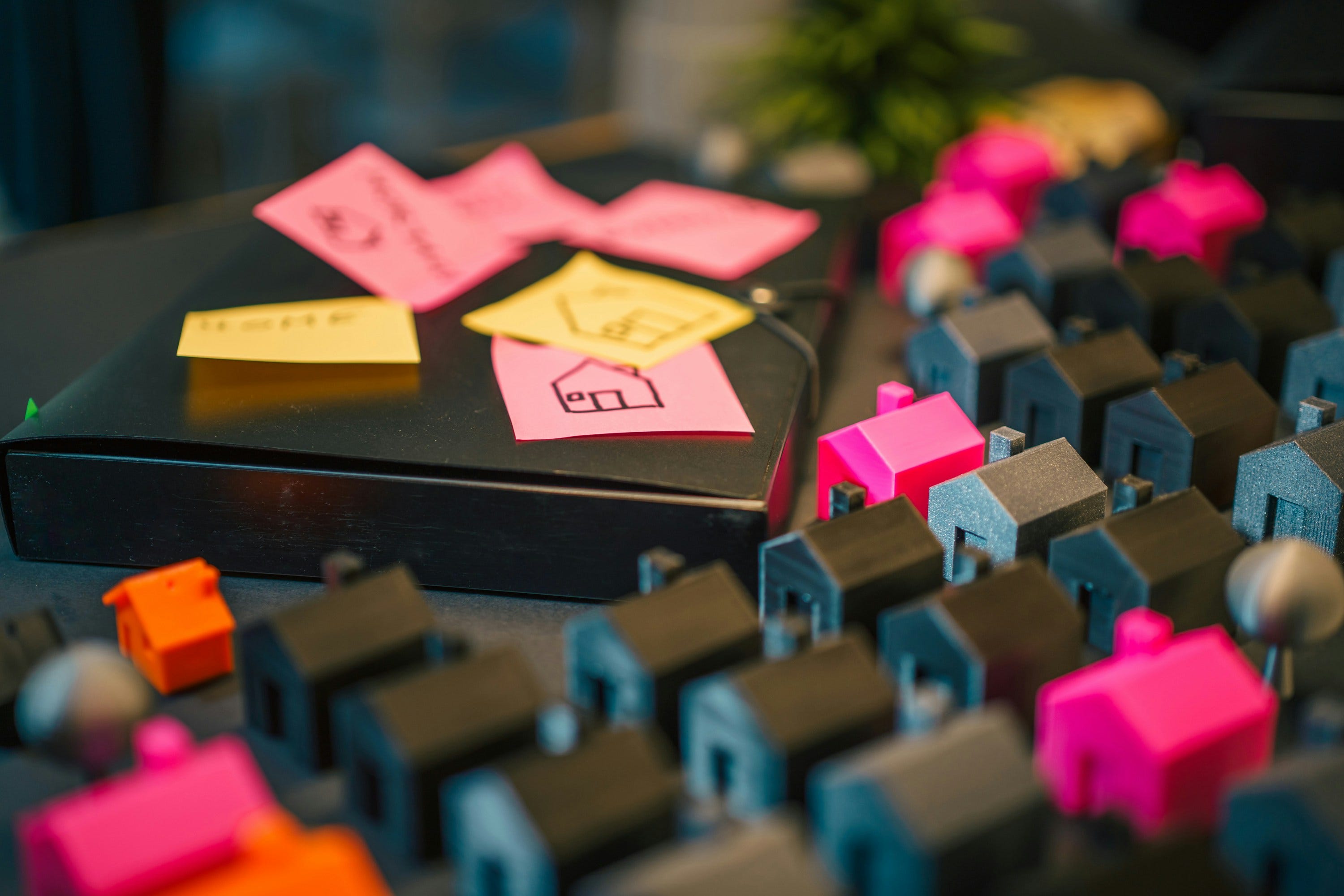
Economic inequality inevitably affects culture, only one example being legacy businesses making the choice between pricing out their longtime loyal customers or shutting their doors. When economic diversity decreases, diversity of all kinds decreases. The culture that makes San Francisco uniquely appealing to tech staffers in the first place is endangered.
“You talk to any union in San Francisco, for example, about their membership, and there’s an increasing number of members who can’t afford to live in the city,” Preston said. “It affects every aspect of a city’s culture, decreases diversity in a city, and it puts incredible pressure on folks who are either pushed out of their homes or find themselves in an extremely stressful situation where landlords tend to get more aggressive in no fault evictions trying to replace lower rent tenants with higher rent tenants.”
As the AI era follows in the footsteps of the dot-com boom two decades ago, history will repeat itself for both residential and commercial San Francisco renters.
“You’ll have a relatively small group of people enjoying incredible wealth,” Preston said, “And then you can expect to see the Mayor and the majority of the Board of Supervisors cheering that on as a positive thing for San Francisco. Meanwhile, it will drive up costs for people in San Francisco and create more economic inequality in a city that is already dealing with a very high level of economic inequality. It is one of the major problems of San Francisco.”
This problem is not uniquely San Franciscan. How it affects San Francisco will not be unique, either; it will be a precedent.
Thank goodness SF Voters rejected Dean Preston's NIMBY nihilism. Notice that neither this writer nor Dean has any proposed solutions, just whining that some tech workers are going to get rich.
Let's build more housing throughout the Bay Area so the AI multimillionaires and working class can both afford to live here.